Putrajaya Sago Starch Industry for Keropok Lekor
Sago starch is flour derived from the trunk of the sago palm tree. As a gluten-free flour alternative, sago flour is increasingly popular due to its smooth texture and health benefits when consumed appropriately. Sago flour can be used as an ingredient for making keropok lekor.
Keropok Lekor a traditional Malay snack in the form of fish crackers typical of Terengganu, Malaysia, which are made from a mixture of fish (such as selayang or parang) and sago flour.
Keropok lekor which uses sago flour (not sweet potato/tapioca flour) is known to produce a chewier, softer texture and a more prominent fish taste.
Well, for those of you who are looking for the Putrajaya sago strach industry for keropok lekor, please contact us immediately.
Texture and Aroma of Sago: Comparing Wet and Dry Forms
Sago remains one of the traditional food ingredients widely used to this day. In the market, sago is generally available in two forms: wet sago and dry sago. Each possesses distinct characteristics that influence processing methods and the final quality of the resulting food products.
Texture: Soft vs. Coarse
Wet sago has a soft, slightly moist texture and easily crumbles when touched. Due to these properties, it is more practical for direct use in preparing smooth dough or batter. In contrast, dry sago typically appears as coarse granules resembling fine sand or slightly clumped flour. Its grains tend to be denser and therefore often require additional processing, such as milling, before use.
These differences in texture also affect the quality of processed products. The amylopectin content in sago contributes to a sticky consistency in dough. If not combined with other ingredients, the final product may become firm or hardened after cooking. For this reason, sago in further processed forms—such as pearl sago, sago crackers, or blended flour—are more commonly utilized in the preparation of cakes, bread, and traditional delicacies.
Aroma: Mild Sourness vs. Pungent Acidity
In addition to texture, the aroma of sago differs between its wet and dry forms. Dry sago generally emits a mild sour scent that is not overly intrusive, whereas wet sago often carries a sharper and more pronounced acidic odor.
The distinctive sour smell in wet sago typically results from traditional processing methods, particularly in regions such as Papua. Natural fermentation caused by microorganisms—especially amylolytic bacteria that break down starch—plays a major role in producing this aroma. The condition may be exacerbated when water sourced from open environments, such as rivers or ponds, is used during processing, as these sources may introduce environmental microorganisms.
If hygiene standards are not properly maintained, the quality of wet sago may deteriorate. Signs of degradation include a slimy texture and an increasingly strong acidic odor. Such conditions are clearly undesirable, particularly in industrial settings that prioritize quality control and high sanitation standards.
Conclusion: Choosing According to Purpose
Understanding the differences between wet and dry sago is essential for determining their appropriate use. Dry sago is more suitable for long-term storage and supports modern processing methods.
Meanwhile, wet sago remains a primary choice in many traditional recipes, although it requires careful handling to preserve its quality. Selecting the appropriate type of sago according to culinary needs, while ensuring proper hygiene, will help achieve optimal processing results.
Get to know Eco Sago as the Largest Putrajaya Sago Starch Industry
Eco Sago is one of the cheapest sago flour factory in the world, ready to meet your sago flour needs for business and household purposes.
Located in Selatpanjang, Meranti Islands—an area rich in sago resources—we are committed to producing high-quality sago flour.
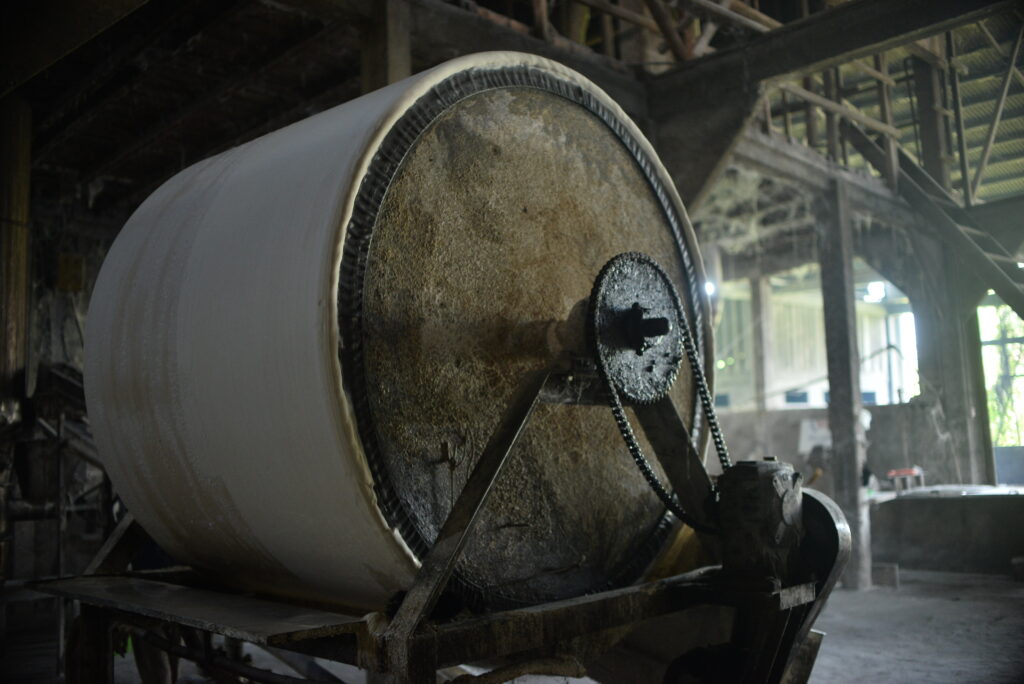
Every stage, from tree harvesting, milling, to screening, is carried out meticulously to produce flour that is smooth, soft, and hygienic.

Eco sago adalah produsen tepung sagu terbesar di dunia dengan kualitas terbaik,
higienis dan teruji sertifikasi, Hadir untuk membuka peluang bisnis untuk anda.
CONTACT US

+62 896 8263 9377
Phone Number

Ecosagos@gmail.com

Makam, Selatpanjang, Riau
Alamat Pabrik 1
Merindang, Selatpanjang, Riau
Alamat Pabrik 2
Alamat Pabrik 2
Ruko Galaxy Baloi Blok A Nomor 4, Batam, Kepri
Kantor
Sertifikasi