Kuala Lumpur Sago Starch Supplier for Keropok Lekor
Sago starch is flour derived from the trunk of the sago palm tree. As a gluten-free flour alternative, sago flour is increasingly popular due to its smooth texture and health benefits when consumed appropriately. Sago flour can be used as an ingredient for making keropok lekor.
Keropok Lekor a traditional Malay snack in the form of fish crackers typical of Terengganu, Malaysia, which are made from a mixture of fish (such as selayang or parang) and sago flour.
Keropok lekor which uses sago flour (not sweet potato/tapioca flour) is known to produce a chewier, softer texture and a more prominent fish taste.
Well, for those of you who are looking for the Kuala Lumpur sago strach Supplier for keropok lekor, please contact us immediately.
Stages of Sago Palm Cultivation
- Site Selection
The initial and most decisive step in successful sago cultivation is selecting an appropriate location. Sago thrives in wetland environments with abundant water availability, such as peat swamps, riverbanks, or swamp forests containing at least 30% organic matter.
Areas with excessive salinity or overly compact clay soils should be avoided. Additional supporting factors to consider include accessibility, availability of production facilities, and transportation infrastructure.
Prior to planting, the land must be cleared of large trees, shrubs, and undergrowth. In swamp areas, a drainage system should be established while preserving peatland sustainability. Ideally, the groundwater level should not exceed 50 centimeters below the soil surface. Primary, secondary, and tertiary canals serve not only to regulate water levels but also to facilitate harvest transportation.
- Seedling Selection
Propagation is conducted vegetatively using suckers that grow around the parent trunk. Ideal seedlings are less than one year old, approximately one meter in height, and 10–13 centimeters in diameter. These offshoots are categorized into three types:
- L-shaped type: Contains the largest food reserves and exhibits spreading growth.
- Horseshoe-shaped type: Possesses moderate food reserves and remains attached to the parent plant.
- Taro-shaped type: Contains minimal food reserves and typically remains attached to the parent until maturity.
- Planting Spacing Arrangement
Proper spacing ensures optimal distribution of light, water, and nutrients while facilitating maintenance. A block planting system with spacing of 8–10 meters can accommodate approximately 150 trees per hectare.
For superior varieties such as Sagu Tuni, an equilateral triangular planting pattern (8×8 or 9×9 meters) yields approximately 143 trees per hectare.
- Hole Preparation and Planting
Planting holes should be prepared at least one week before transplanting, with standard dimensions of 30 × 30 × 30 centimeters. Topsoil and subsoil should be separated, and each hole marked with a bamboo stake.
Seedlings are planted so that the base of the stem sits slightly below ground level and are secured with diagonal supports for stability. Planting is ideally carried out at the beginning of the rainy season to ensure sufficient natural water supply.
- Replanting and Maintenance
Dead or poorly growing plants must be replaced through replanting. Reserve seedlings should be prepared to substitute plants damaged by pests, diseases, or unfavorable environmental conditions. Intensive maintenance is required during the first two years, particularly until the plant produces approximately seven fronds.
Maintenance activities include weed removal, fertilization using organic materials such as decayed wood, and clearing surrounding vegetation.
- Weed Control
Weeds must be controlled regularly, as they compete with sago palms for nutrients, water, and sunlight. If left unmanaged, weeds may also serve as hosts for harmful pests and increase production costs. Periodic weeding is therefore essential to ensure optimal plant growth.
- Harvesting
Sago palms are generally ready for harvest at 13–15 years of age. Prior to felling, morphological assessment is conducted to confirm optimal maturity. Indicators of harvest readiness include a trunk diameter of 20–60 centimeters, tree height of 15–27 meters, yellowing of the upper leaves (mamium stage), shortening of leaf stalks (manaf stage), and the emergence of flowers or fruit (saker stage).
Get to know Eco Sago as the Largest Kuala Lumpur Sago Starch Supplier
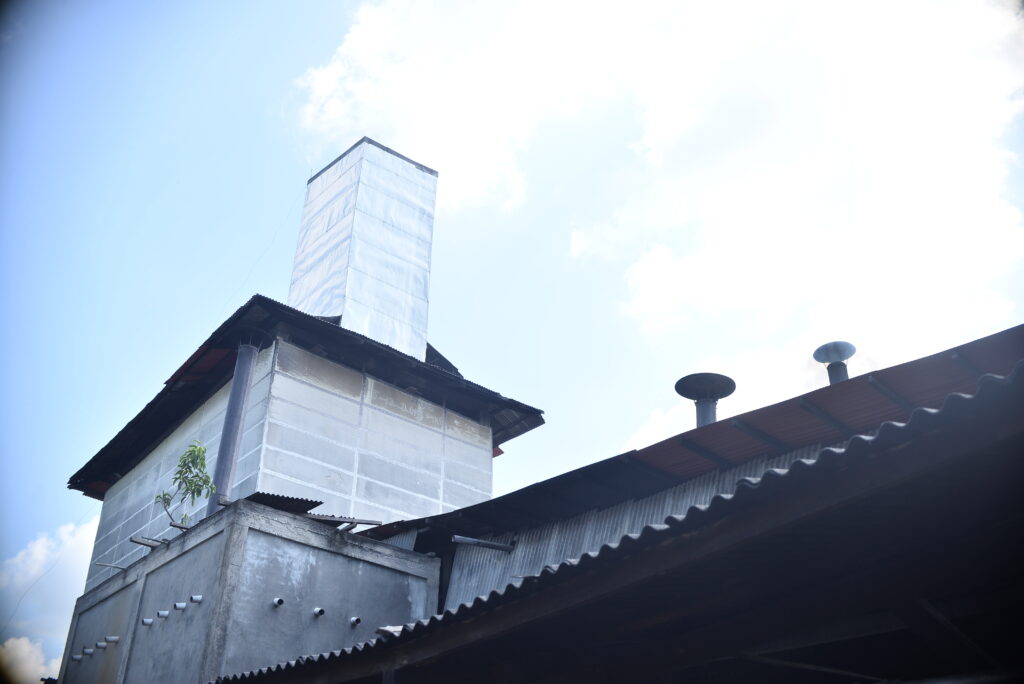
Eco Sago is one of the cheapest sago flour factory in the world, ready to meet your sago flour needs for business and household purposes.
Located in Selatpanjang, Meranti Islands—an area rich in sago resources—we are committed to producing high-quality sago flour.
Every stage, from tree harvesting, milling, to screening, is carried out meticulously to produce flour that is smooth, soft, and hygienic.

Eco sago adalah produsen tepung sagu terbesar di dunia dengan kualitas terbaik,
higienis dan teruji sertifikasi, Hadir untuk membuka peluang bisnis untuk anda.
CONTACT US

+62 896 8263 9377
Phone Number

Ecosagos@gmail.com

Makam, Selatpanjang, Riau
Alamat Pabrik 1
Merindang, Selatpanjang, Riau
Alamat Pabrik 2
Alamat Pabrik 2
Ruko Galaxy Baloi Blok A Nomor 4, Batam, Kepri
Kantor
Sertifikasi